1



Menu
🌼 Guru Purnima 🌼
॥ ॐ श्री परमात्मने नमः ॥
🚩 Guru Purnima 2025 🚩
What is Guru Purnima?
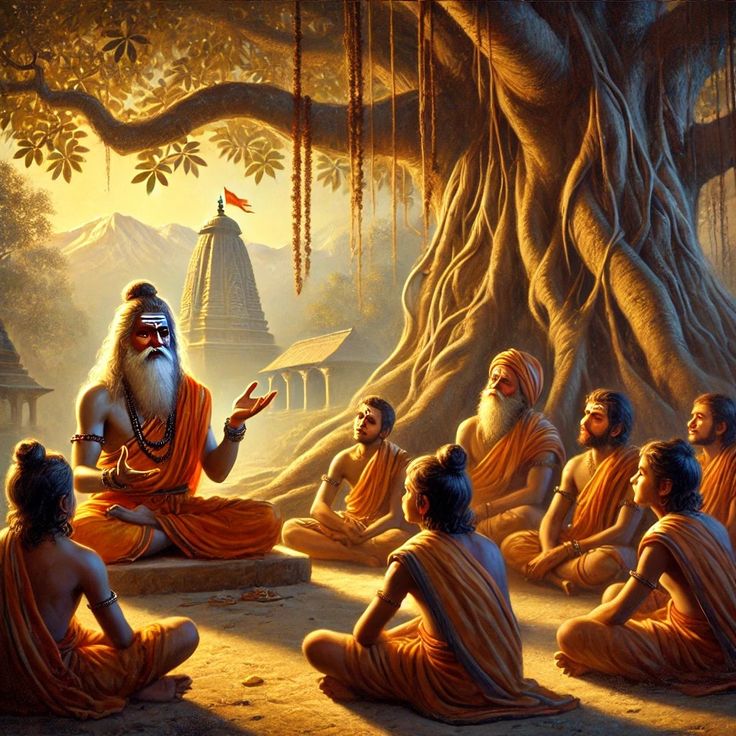
Hindus traditionally celebrate Guru Purnima, a day honoring guru – enlightened spiritual teachers. This fortunate day occurs in the Hindu month of Ashad (July to August), on the first full moon following the summer solstice. Hindus, Jains, and Buddhists commemorate it throughout India, Nepal, and Bhutan. Seekers give thanks and devotion to their guru on this day, and they also receive blessings from him or her.
***
🕰️Guru Purnima 2025 Date & Time:📅
Guru Purnima – Thursday, July 10, 2025
Purnima Tithi Begins – 01:36 on Jul 10, 2025
Purnima Tithi Ends – 02:06 on Jul 11, 2025
***
💐About Guru Purnima:💐
Guru Purnima is considered a sacred day when gurus are worshipped like gods because gurus are frequently thought of as a conduit between seekers and the divine. The renowned sage Maharshi Veda Vyasa is said to have begun composing the Brahma Sutras on Guru Purnima, in addition to being born on this day, which is why the practice first began as a commemoration of him. Along with writing the 18 Puranas, the Mahabharata, and the Srimad Bhagavatam, Vyasa edited the four Vedas.
While Buddhists commemorate Guru Purnima as the day the Buddha delivered his first sermon, Hindus celebrate Vyasa on this day. Guru Purnima is a celebration on the day that Shiva became the first guru and started teaching yoga to the Saptarishis in the yogic tradition.
It is said to be an especially auspicious day for sadhana. The festival is marked with spiritual exercises and rituals like puja or satsang. This is the day when it is customary for itinerant spiritual teachers and their followers to pause in one location to study the Brahma Sutras and have Vedantic conversations.
***
🍀Spiritual significance of Guru Purnima:🍀
As per Hinduism, Guru Purnima commemorates the birth of Ved Vyasa, the renowned sage who is credited with separating the Vedas into four sections and writing the Puranas, which is regarded as the ‘fifth Veda’, along with the Mahabharata. Prayers are said to reach the Mahaguru directly on this day, and his blessings are said to keep darkness and ignorance out of a disciple’s life.
Buddhism holds that on this day, after moving from Bodhgaya to Sarnath, Gautam Buddha gave his first sermon, or instruction, to his first five pupils. After that, the group of His disciples became known as the “Sangha.”
In Jainism, on this day Lord Mahavira took on the role of ‘Guru’ for his first disciple, Gautam Swami. For this reason, people honor Mahavira on this day.
As per the historical accounts of ancient India, farmers hold great significance on this day as they offer prayers to God in gratitude for a plentiful harvest the next year.
***
🌻Rituals of Guru Purnima: 🌻
For Hindus, this is the day to honor the guru, the person who serves as their life’s illumination. Many locales have Vyasa pujas, in which mantras are uttered in memory of the ‘Guru’. As gifts and gestures of respect, devotees present flowers and give “prasad” and “charanamrita.” Chants of hymns, devotionals, and recitals take place throughout the day. In the guru’s memory, the sacred book of the Gita is recited.
To recommit to their guru’s teachings and ideals, people congregate at the location of his seat for “padapuja,” or the worship of the sage’s sandals, which is organized by disciples in the various asharams.
On this day, followers of spirituality show their support for one another as they travel the path of spirituality. The day is also devoted to the Guru Bhai, or fellow disciples. Disciples reflect on their own spiritual journeys thus far during the course of this day.
On this day, a lot of people start their spiritual education. We call this procedure ‘diksha’.
On this day, Buddhists remember the eight teachings of Buddha. We call this ceremony ‘Uposatha’. On this day, Buddhist monks are known to begin meditation and take up other austere routines when the rainy season officially begins.
On this day, a great number of dedicated students of Indian classical music honor their musical “gurus” and uphold the age-old guru-shishya parampara (teacher-student tradition).
***
🌻What Should You Do on This Day?🌻
- Meet the person who you consider to be your guru.
- Shri Aadi Shankaracharya is considered the Jagatguru (everyone’s teacher) as per the Vedic scriptures. You may worship Him on this day.
- Guru’s Guru, Guru Dattatreya, should also be worshipped. You may also recite Dutt Baavani.
- In Vedic Astrology, Jupiter (Brihaspati) is called the Guru—the teacher or the signifier of higher education and ideals. You may worship the Lord Jupiter on this day.
***
💠Guru Purnima Puja Vidhi:💠
- Begin the day with a bath and wear clean clothes.
- Set up a clean altar or sacred space for the vrat.
- Place a picture or idol of your guru on the altar.
- Light a lamp and incense.
- Offer flowers, fruits, sweets, and other auspicious items to the guru.
- Recite the Guru Mantra (mentioned below) with devotion.
- Perform aarti (circumambulation with a lit lamp) while singing hymns or bhajans in praise of the guru.
- Conclude the vrat with prayers for blessings, guidance, and wisdom from the guru.
- Distribute prasad (sanctified food) to family members and devotees.
***
🍀Mantras of Guru Purnima:🍀
‘ॐ गुरुभ्यो नमः’
“Om Gurubhyo Namah”
‘(Om): The primordial sound representing the universe and divine energy.
(Gurubhyo): To the gurus.
(Namah): Salutations or reverence.”
***
अज्ञान तिमिरान्धस्य ज्ञानाञ्जन शलाकया ।
चक्षुरुन्मिलितं येन तस्मै श्री गुरवे नमः ॥
agyan timirandhasya dnyanaanjan shalakaya ।
chakshurunmilitam yen tasmai shri gurave namah ॥
भावार्थ – अज्ञान रूपी अन्धकार से अंधे हुए जीव की आंखों को जिसने अपने ज्ञानरुपी शलाकाओ से खोल दिया है, ऐसे श्री गुरु को प्रणाम है।
Meaning: I salute the Guru who has opened the eyes of the being blinded by the darkness of ignorance with his bars of knowledge.
***
गुरुर्ब्रह्मा ग्रुरुर्विष्णुः गुरुर्देवो महेश्वरः।
गुरुः साक्षात् परं ब्रह्म तस्मै श्री गुरवे नमः।।
gururbrama grururvishnuh gururdevo maheshvarah।
guruh sakshat param bram tasmai shri gurave namah।।
भावार्थ: गुरु ब्रह्मा है, गुरु विष्णु है, गुरु हि शंकर है। गुरु हि साक्षात् परब्रह्म है, उन सद्गुरु को प्रणाम।
Meaning: The Guru is Brahma, Guru is Vishnu, Guru is Shankara. The Guru is the Supreme Being Himself, I salute those Sadgurus.
***
विनयफलं शुश्रूषा गुरुशुश्रूषाफलं श्रुतं ज्ञानम्।
ज्ञानस्य फलं विरतिः विरतिफलं चाश्रवनिरोधः।।
vinayafalam shushrusha gurushushrushaaphalam shrutam dnyanam।
dnyanasya falam viratih viratiphalam chashravanirodhah।।
भावार्थ: विनय का फल सेवा है, गुरुसेवा का फल ज्ञान है, ज्ञान का फल विरक्ति (स्थायित्व) है, और विरक्ति का फल आश्रवनिरोध (बंधनमुक्ति तथा मोक्ष) है।
Meaning: The fruit of humility is service, the fruit of Guruseva is knowledge, the fruit of knowledge is detachment (permanence), And the fruit of detachment is ashravanirodha (liberation from bondage and salvation).
***
अखण्डमण्डलाकारं व्याप्तं येन चराचरम्।
तत्पदं दर्शितं येन तस्मै श्रीगुरवे नमः।।
akhandamandalakaram vyaptam yen characharam।
tatpadam darshitam yen tasmai shrigurave namah।।
भावार्थ: उस महान गुरु को अभिवादन, जिसने उस अवस्था का साक्षात्कार करना संभव किया जो पूरे ब्रम्हांड में व्याप्त है, सभी जीवित और मृत्य (मृत) में।
Meaning: Greetings to that great Guru, who made it possible to realize that state which pervades the entire universe, in all living and dying (dead).
***
💐Conclusion 💐
Guru Purnima is a celebration of the wisdom that directs our life, not just a festival. By paying respect to our Gurus, we are also paying respect to life’s and education’s path. Let this day serve as a reminder of the crucial role our mentors play in influencing our lives, whether you want to commemorate it with customs, prayers, or a straightforward act of gratitude.
***