1



Menu
🌼 Gauri Vrat 🌼
॥ ॐ श्री परमात्मने नमः ॥
🚩Gauri Vrat 2025 🚩
About Gauri Vrat:
Gauri Vrat is regarded as a major celebration honoring Goddess Parvati out of all the festivals associated with Lord Shiva and Goddess Parvati. The name for Parvati that means ‘brilliantly fair’ is ‘Gauri’. Shukla Paksha Ekadashi marks the start of the Gauri Vrat celebration, which concludes in Purnima after five days. In Gujarat, it’s also called Morakat Vrat.
***
🕰️Gauri Vrat 2025 Date & Time:📅
Gauri Vrat – Sunday, July 6, 2025
Gauri Vrat ends on Thursday, July 10, 2025
Jaya Parvati Vrat on Tuesday, July 8, 2025
Ekadashi Tithi Begins – 18:58 on Jul 05, 2025
Ekadashi Tithi Ends – 21:14 on Jul 06, 2025
***
💐Significance Of Mangala Gauri Vrat💐
Gauri Vrat is mainly observed by unmarried girls in Gujarat and other western parts of India to get a husband with the same qualities and temperament as Shiva. This fast is observed by women to get blessings from Goddess Shakti. By worshiping Maa Gauri, one’s life is filled with great benefits, and all one’s troubles are removed. On this day, virgin girls worship Goddess Parvati. Goddess Parvati is the consort of Lord Shiva and is ready to fulfill the wishes of the devotees. Girls and women are worshiping Mangala Gauri to get a good husband and a successful married life. Gauri Vrat is usually or traditionally observed for five days. But some women do it for a period of five or seven years.
***
🍀Gauri Vrat Puja Vidhi:🍀
- Wake up early in the Brahma Muhurta on Tuesday of Shravan month.
- After finishing your daily chores, wear clean, washed, or new clothes and observe the fast.
- Take a picture or idol of Maa Mangala Gauri (Parvati Ji).
- Then take a pledge to observe the fast with the following mantra.
- ‘Mam Putra-Pautrasaubhagyavriddhaye Shrimangala Gauriprityartham Panchvarshaparyantam Mangala Gauri Vratamaham Karishye.’
- Meaning: I take a pledge to observe this fast for the good fortune of my husband, sons, and grandsons and to receive the blessings of Mangala Gauri.
- After that, the picture or idol of Mangala Gauri is placed on a stool by spreading a white and then red cloth.
- Light a ghee lamp (made of flour) in front of the idol. The lamp should be such that 16 wicks can be put in it.
- Then chant ‘Kunkumaaguruliptangaa Sarvaabharanabhushitam’. Neelkanthpriya Gauri Vandeham Mangalahvayam.’
- While reciting this mantra, perform Shodashopachar Puja of Mata Mangala Gauri.
- After worshipping the Mata, offer her 16 garlands, cloves, betel nut, cardamom, fruits, betel leaf, laddu, Suhaag material, 16 bangles, and sweets (all items should be in the number of 16). Apart from this, they offer 5 types of dry fruits, 7 types of grains (which include wheat, urad, moong, gram, barley, rice, and lentils), etc.
- After the worship, the story of Mangala Gauri is heard.
- In this fast, food is consumed only once a day, and Maa Parvati is worshipped throughout the day.
- This simple fast, which pleases Shiva’s beloved Parvati, grants those who observe it the blessings of unbroken marital happiness and the joy of having sons.
***
🌻 How to celebrate Gauri Vrat? 🌻
- Gauri Vrat or Gauri Puja is dedicated to Goddess Parvati. This fast is observed in Asadh month according to the Gujarati calendar, which starts from Asadh Ekadashi or Dev Shayani Ekadashi and continues till Guru Purnima or Asadh Purnima. These five days are considered Panchuka or Gauri Panchak in western parts, especially in Gujarat, India.
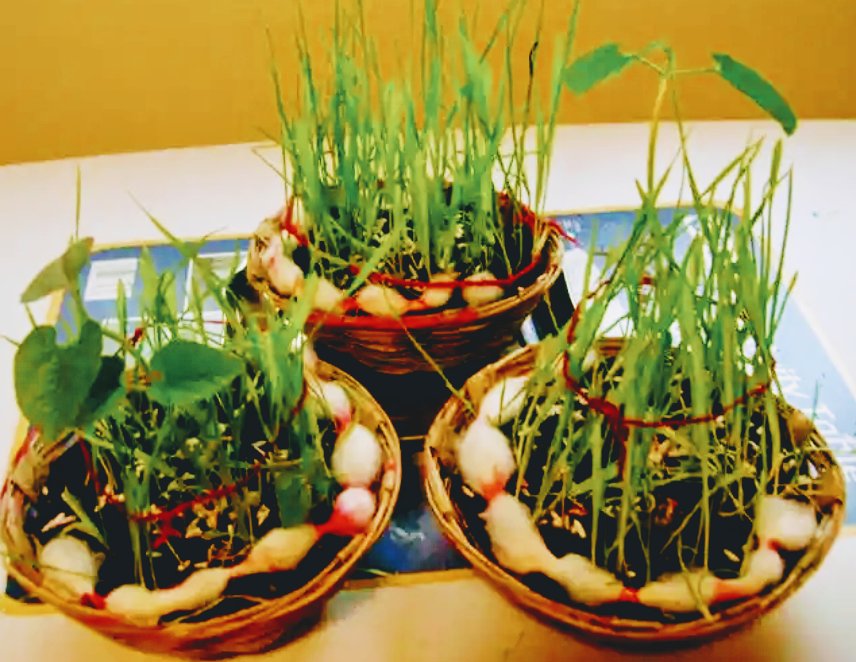
On the first day of Gaurivrat, young women go to the Shiva temple in groups at sunrise with jawara, nagala, and pujapa decorated in thali. Akshat-Kanku plows jowar after worshiping Shodashopachar. Water is offered to the Shivling. Symbolically, the farmer’s paddy.
After the puja, young women pray to Shiva Parvati for their favorite food and pray for continued good fortune and good children with faith and sincerity. During this fast, women abstain from eating vegetables, salt, and tomatoes. It is believed that such strict observance purifies a person from inside to outside.
During the five-day fast, virgin girls keep fast by eating unsweetened jaggery. That is why in some provinces this fast is called Molavrat or Molkat fast.
On the fifth day of the fast itself, after immersing the Jwara in the reservoir, the young women stay awake all night and worship Shiva Parvati. On the sixth day after waking up, she completes the fast by doing Parana. It is observed after observing this fast for five consecutive years. In Gauri Vrat, girls donate symbols of good fortune.
***
🍀Mantras of Gauri Vrat:🍀
ॐ देवी महागोयें नमः॥
“Salutations to the divine Mahagauri”
वृषेसताम्बरधरा शुचिः।
महागौरी शुभं दद्यान्महादेव प्रदा
Seated on a white bull, wearing white garments, and pure in nature,
Mahagauri bestows auspiciousness and joy to Lord Shiva.
***
🙏 The icon of mother Parvatiji 🙏
Ashadha month means the month of rain and the month of greenery. Jawara is worshiped during the fast as a symbol of this. Jawara is grown by sowing seven types of grains such as wheat, sesamum, mung, tuvar, chola, and akshat. This Jawara is considered the symbol of Mother Parvati!
***
🍁Why is Nagla offered?🍁
Runi pooni is dyed with kanku and knotted in it to make nagla. This Nagala is considered to be the symbol of Shivaji. Shivaji Mrutunjaya is Mother Parvati Mrutunjaya. And thus, it is stated in the scriptures that the joint worship of both is done only after offering Nagala to Jawara.
***
💐Conclusion 💐
As we conclude our journey into the auspicious Mangala Gauri Vrat, we find ourselves enriched with the wisdom of tradition, devotion, and spirituality. This sacred observance, deeply rooted in Hindu culture, offers not just a day of fasting and rituals but a profound opportunity for self-purification and connection with the divine feminine energy, Goddess Gauri.
We’ve explored the significance of this Vrat, delved into the rituals and customs, and understood the importance of austerity and fasting. We’ve chanted sacred mantras, shared blessings with loved ones, and celebrated the day with a special feast.
As you embrace the Mangala Gauri Vrat remember that it’s more than a religious practice; it’s a journey of the heart and soul. May your devotion be rewarded with blessings and may the divine grace of Goddess Gauri fill your life with health, happiness, and prosperity.
***