1



Menu
🌼 Ahoi Ashtami 🌼
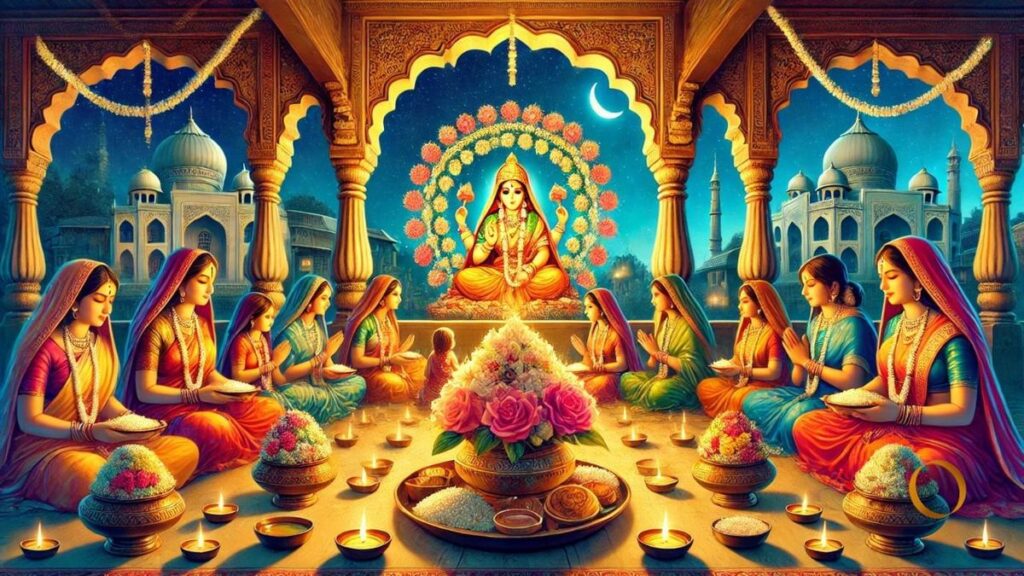
॥ ॐ श्री परमात्मने नमः ॥
🚩 Ahoi Ashtami 2025 🚩
About Ahoi Ashtami
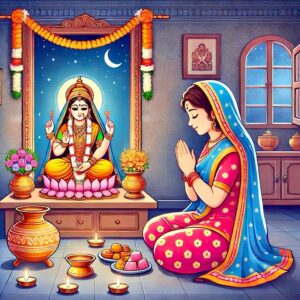
Ahoi Ashtami, a Hindu holiday, is mostly observed by mothers for the welfare of their off spring. In the Hindu calendar, it is celebrated on the eighth day, or Ashtami Tithi, of the Krishna Paksha, or the dark moon fortnight, in the month of Kartik. The Hindu month of Ashwin falls within this period according to the Amanta calendar, which is used in the states of Maharashtra, Gujarat, and some southern states. According to the English calendar, it falls between mid-October and November. Ahoi Ashtami is commemorated four days after the Karwa Chauth holiday and eight days prior to Diwali celebrations.
***
🕰️ Ahoi Ashtami 2025 Date & Time:📅
Ahoi Ashtami – Monday, October 13, 2025
Ahoi Ashtami Puja Muhurat – 06:16 PM to 07:30 PM
Duration – 01 Hour 14 Mins
Govardhana Radha Kunda Snan – Monday, October 13, 2025
Sanjh (evening) time for sighting Stars – 06:38 PM
Krishna Dashami Moonrise on Ahoi Ashtami – 11:57 PM
Ashtami Tithi Begins – 12:24 PM on Oct 13, 2025
Ashtami Tithi Ends – 11:09 AM on Oct 14, 2025
***
💐 Significance of Ahoi Ashtami 💐
Mothers of boys observe the Ahoi Ashtami fast in hopes of ensuring their sons live long and happy lives. On this day, they worship Goddess Ahoi with great fervor and devotion. Women maintain a fast for their sons on this day. The Hindu calendar’s Ahoi Ashtami Puja dates indicate when to see the stars and the moonrise.
It is thought that doing the Ahoi Ashtami vrat and puja will bless a woman with a boy child if she miscarries or has trouble getting pregnant. It is also referred to as “Krishnashtami” for this reason. That’s why childless couples find significance in this day. Couples celebrate this day by bathing in the sacred “Radha Kunda” in Mathura. Devotees from all over the country come and throng the place during this time.
***
🍀 Rituals during Ahoi Ashtami 🍀
- For the benefit of her son, a boy’s mother keeps a strict fast throughout the day on Ahoi Ashtami. They don’t even drink any water during the day. Twilight is the time when the fast is broken after seeing the stars. While it may be challenging because the moon rises late on Ahoi Ashtami night, in certain locations, observers of the fast break after seeing the moon.
- Women take baths and get up early. They then take a “sankalp,” or vow, promising to maintain the fast for the duration of the day in order to protect their kids. Before the sun sets, the puja preparations are completed.
- On a wall, women sketch the picture of Ahoi Mata. Eight corners, or “Ashtha Koshthak,” should be included in the drawing. The figure of “Sei,” or a hedgehog and its offspring, is portrayed near Goddess Ahoi together with other pictures. Ahoi Ashtami’s wallpaper can also be utilized if the image is not able to be drawn. As stated in the Ahoi Ashtami katha, the picture also shows the seven sons with their daughter-in-laws.
- After cleaning the house of worship, a “Alpana” is drawn. Close to the site of worship is an earthen pot called a “karwa,” which is filled with water and has a lid. A unique grass known as “Sarai Seenka” blocks this karwa’s nozzle. In the course of the puja rites, Ahoi Mata is also offered this grass shoot.
- Just after sunset, or during sandhya time, is when the Ahoi Ashtami puja is actually conducted. For the puja, every woman in the household gathers together. The women hear the Ahoi Mata vrat katha after the ceremonies. Adherents in some societies employ silver-based Ahoi. This silver form is known as ‘Syau’ and is worshipped with milk, roli and akshata during the puja. After the puja, this ‘Syau’ is woven in a thread with two silver pearls and worn by women around their neck.
- Puri, halwa, and pua are among the special foods offered. After being offered to the Goddess, eight of these are handed to an elderly woman or even a Brahmin. “Ahoi Mata aarti” is performed at the conclusion of the puja to mark its conclusion.
***
🌻 Ahoi Ashtami Puja Samagri 🌻
To observe the Ahoi Ashtami puja, specific puja materials are required to complete the puja:
Ahoi Mata’s image: Whether a drawing or an idol of the Goddess on the wall or framed/printed.
Kalash: Filled a small brass or copper pot with water and a coconut over it.
Coconut: Covered with red cloth and kept atop the Kalash.
Roli (red vermilion powder): Apply a tilak on the forehead and the image of Goddess Ahoi.
Akshat (unbroken rice): Offer the goddess.
Flowers: Mostly marigolds, to present to Ahoi Mata.
Fruits: Bananas, pomegranates, and other seasonal fruits are required.
Sweets: Classic sweets like kheer, puris, and other delicacies, especially those that children love.
Incense Sticks (Agarbatti) and Camphor: These are used to cleanse the surroundings during puja.
Diya (Lamp): To offer the goddess and to lighten the environment.
Thread: To tie a red or yellow sacred thread during puja.
Ahoi Ashtami Katha book: To narrate the story during Ahoi puja vrat.
***
🍁 Do’s and Don’ts of Ahoi Asthami Vrat🍁
For every Hindu ritual, there are some do’s and don’ts specified to follow the guidelines:
- Bypass sleeping on the day of vrat.
- Don’t stitch anything on Ahoi Ashtami.
- On this day, people avoid black, blue, or white colours.
- Make only sattvic food to offer, like bhog prasad.
- Bypass to consume garlic and ginger as they are tamasic foods.
- You can use brass, bronze, silver, and gold utensils while performing puja rituals.
- You can use an earthen pot made of clay, like a Karwa, while performing the puja.
- Ideally, parents should perform the puja along with their children.
- Women must wear a silver garland that depicts Syau Mata for the puja.
- Keep some money near the Goddess as a Dakshina, along with sweets and grains.
- Grazing the cows should happen after completing all the rituals.
***
🌞 Ahoi Ashtami Vrat Katha 🌞
In the annals of Ahoi Ashtami, there once lived a moneylender in a city. Seven boys were born to him. Once, the family was cleaning the house with only seven days left before Diwali. The moneylender’s wife went to gather mud from an open pit mine along the river so they could renovate their home. The wife of the moneylender began searching for mud without realizing that a hedgehog had made its den in the mine. Her hoe struck a hedgehog cub while she was doing this, instantly killing it.
The moneylender’s wife was devastated to see this. Brokenhearted, she went back to her house. The woman’s first son passed away a few days later from the curse of the hedeghog mother, followed by the deaths of her second and third boys. Within a year, all seven of their sons perished.
After all of her children passed away, the mother began to live a very depressing life. She sobbed as she related her tragic tale to an elderly neighbor one day, admitting that she had not intentionally committed the sin, that the cub had been accidentally murdered, and that her seven boys had passed away as a result of the occurrence. On hearing this, the old lady comforted her and said that half of her sin has been redeemed by her repentance.
The woman added that she would benefit on the day of Mata Ahoi Ashtami if she turned to Goddess Bhagwati, drew a picture of a hedgehog and its pups, worshipped them, and expressed regret for her actions. The woman added that by doing this, she will be forgiven of all her sins via God’s love.
The wife of the moneylender submitted to the elder and paid homage to Mother Ahoi. She began fasting on the eighth day of the Krishna Paksha in the Kartik month, and over time, she gave birth to seven sons. Since then, the Ahoi Ashtami vrat tradition has begun.
***
💐Conclusion 💐
Ahoi Ashtami is a sacred festival that strengthens the bond of love between a mother and her children. The observance of fasting, puja, and storytelling ensures divine blessings, happiness, and longevity for the family. By observing Ahoi Ashtami Vrat, mothers express their gratitude and seek divine grace for their children’s bright future and success.
🙏 May Ahoi Mata bless all with health, happiness, and prosperity! 🙏
***