1



Menu
🌼 Kamika Ekadashi 🌼
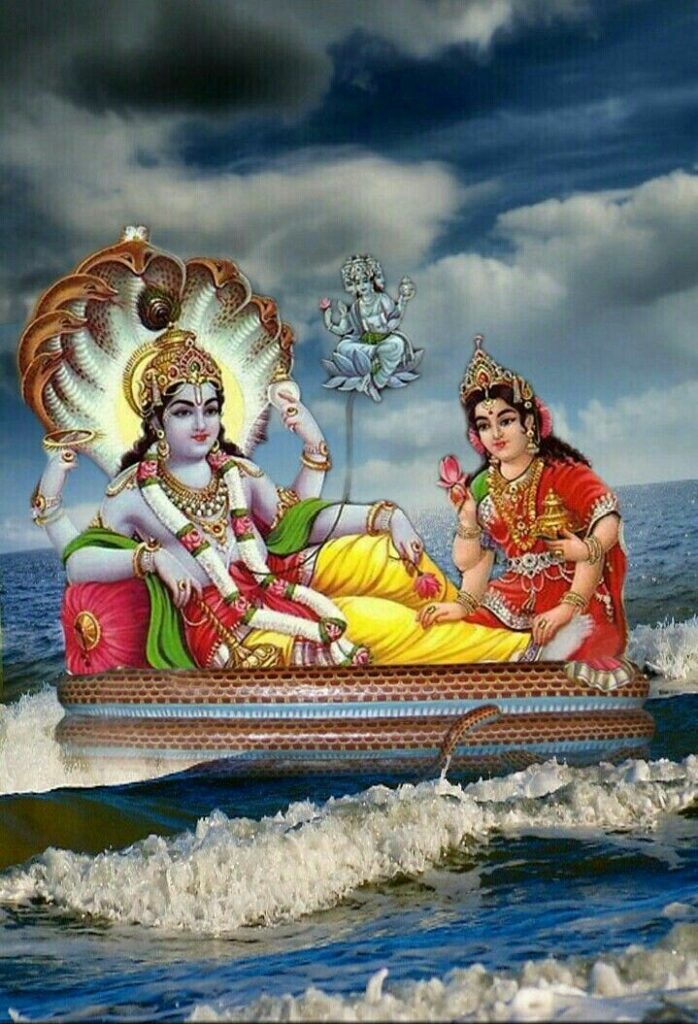
॥ ॐ श्री परमात्मने नमः ॥
🚩 Kamika Ekadashi 2025 🚩
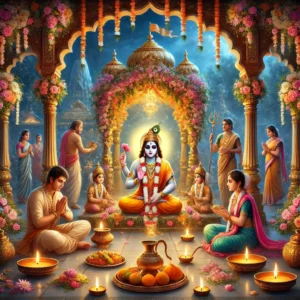
About Kamika Ekadashi:
Hindus believe that keeping a vrat (fast) on Kamika Ekadashi will bring them more blessings than bathing ceremoniously in any of India’s holy rivers on auspicious days. Furthermore, it is said that a devotee who diligently fulfills the Kamika Ekadashi vrat will be blessed by the Lord with even more blessings than someone who has visited every major Hindu holy place, including Haridwar, Kedarnath, and Kashi. It is said that fasting on Kamika Ekadashi has the same spiritual potency as reciting the entire canon of scriptures devoted to Shri Vishnu. The attainment of Vaikunta Prapti, or salvation in Vishnu Lokam, is the main advantage of keeping this vrat. This implies that the God of Death, Yamadharmaraj, will not impede the devotee’s devotion.
***
🕰️Kamika Ekadashi 2025 Date & Time:📅
Kamika Ekadashi on Monday, July 21, 2025
Parana Time – 22nd Jul, 06:08 to 07:05
On Parana Day Dwadashi End Moment – 07:05
Ekadashi Tithi Begins – 12:12 on Jul 20, 2025
Ekadashi Tithi Ends – 09:38 on Jul 21, 2025
***
💐Significance Of kamika Ekadashi💐
The fruit of Vajpayee Yajna is obtained by hearing to Brahma’s statement to Narad Muni on Krishna Ekadashi in the Shravan month, which is called Kamika. The benefits that come from worshiping Lord Vishnu with Shankh, Chakra, and Gadadhari through rituals on this day are incomparable to those that come from visiting locations like Ganga or Kashi or even from bathing in Kurukshetra and Kashi during solar and lunar eclipses. Gandharva and Surya are worshipped alongside the god during the month of Shravan. To be freed from sins, one should observe the Kamika Ekadashi fast.
A creature can avoid a disastrous birth by keeping the fast of Kamika Ekadashi, and by presenting Tulsi to Vishnu ji, one can attain freedom from all sins. Additionally, the donation of Tulsi is equivalent to the donation of four loads of silver, one load of gold, and numerous gems and pearls. When someone waters the Tulsi plant in his home, their sins and pains are forgiven, and they attain purity.
As stated in the Padma Purana, Lord Krishna tells Yudhishthira that Ekadashi is the greatest fasting day in the same way that Sheshnag is the best among snakes, Garuda is the best among birds, Lord Vishnu is the best among gods, Peepal is the best among trees, and Brahmins are the best among humans.
***
🍀Kamika Ekadashi Puja Vidhi:🍀
For fasting on Kamika Ekadashi, the Vrat Vidhi should be followed by devotees to ensure successful completion of the Vrat.
Kamika Ekadashi Vrat starts on the morning of Ekadashi and the Sankalp(intension) of observing the Vrat(fast) should be taken after having bath early in the morning.
Invoke and worship Lord Shridhar/Vishnu.
The best fasting is dry fasting, Nirjala Vrat, which means, fasting without drinking water and food. However, devotees should be aware of their body and health and fast accordingly. Commonly devotees abstain from eating any food but drinking water.
Beans and grains are prohibited to eat on Ekadashi for devotees who are fasting by eating one meal on Ekadashi. Non vegetarian food, onion, and garlic are strictly not allowed on Ekadashi and Dwadashi.
Sleeping during the day or night during Ekadashi Vrat is prohibited. The devotees should chant/ sing praises of Lord Vishnu/Krishna, read the Bhagawat Geeta and other holy books through the day and night.
Indulging in gossiping, talking/thinking ill of others or self, does not give the desired outcome of the Ekadashi Vrat.
Abstinence from alcohol, drugs, tobacco, other addictions, sex on Ekadashi and Dwadashi must be observed.
Maintain calmness, avoid anger/aggression for the best outcome of observing the Kamika Vrat.
Distribute the Prasad to family members and as many people as possible on Dwadashi.
Devotees who observe fasting should not eat food in other people’s houses on the day after Ekadashi.
The next morning give charity to Brahmanas respectfully ask them for forgiveness for any offence. Donating to the needy is also advised which garners Bhagwan Vishnu’s blessings.
For people who observe Kamika Vrat, when breaking the fast, one should say the prayer – ‘O Pundarikaksha, O lotus-eyed Lord, now I will eat. Please help me.
After the prayer the devotee should offer flowers and water at the lotus feet of the supreme God Vishnu and request Bhagwan to eat by chanting the mantra of eight-syllable, thrice: “Om Namah Narayanaya”. To garner the full merits of the fast, the devotee should have water which has been offered to the God.
On Dwadashi only one meal should be eaten, and Honey and Urad-dal (black lentil) is not to be consumed.
For devotees observing fast, if due to some unavoidable reason they are not able to break the fast on Dwadashi during Prana time, then drinking water to signify breaking of fast is advised. Later food can be eaten as convenience.
***
🌻 Kamika Ekadashi Vrat (Fasting) Benefits: 🌻
Kamika Ekadashi holds significance in Hindu tradition, believed to offer spiritual and worldly benefits to its observers:
- Spiritual Purification: It’s thought to cleanse the soul of past sins, fostering spiritual growth.
- Attainment of Moksha: Like other Ekadashis, it’s believed to lead to liberation from the cycle of birth and death.
- Blessings from Bhagwan Vishnu: Devotees seek blessings and grace from Lord Vishnu by fasting and worshiping.
- Removal of Obstacles: Observance can remove hurdles, promoting harmony and prosperity.
- Atonement: Observers seek forgiveness for past misdeeds, finding inner peace.
- Fulfillment of Desires: Prayers are made for wishes to be granted, trusting in divine power.
Overall, Kamika Ekadashi offers devotees a chance for reflection, renewal, and divine favor.
***
🌻 What to do and what not to do on Kamika Ekadashi:🌻
Do’s:
- Stay calm during the Kamika Ekadashi fast.
- Be spiritually active and meditate.
- Wear clean and comfortable clothes.
- Participate in charity and religious activities.
- Don’ts:
- Sleeping is strictly prohibited during the Kamika Ekadashi fast.
- Consuming intoxicants, alcohol and smoking is not allowed during the fast.
- Gossiping or badmouthing someone makes the fast incomplete.
- Do not eat food at someone else’s house.
***
🍀Mantras of Kamika Ekadashi:🍀
Pancharupa Mantra of Vishnu
Om Aam Vasudevaaya Namah:
ॐ ऐं वासुदेवाय नम:
Om Aam Sankarshanaaya Namah:
ॐ ऐं संकर्षणाय नम:
Om Aam Pradyumnaya Namah:
ॐ ऐं प्रद्युम्नाय नम:
OM A: ANIRUDDHAYA NAMAH:
ओम अ: अनिरुद्धाय नम:
Om Narayanaya Namah:
ॐ नारायणाय नम:
om hrim kartaviryaarjuno nam raja bahu sahastravan।
yasya smaren matren hratam nashtam ch labhyate।।
ॐ ह्रीं कार्तवीर्यअर्जुनो नम राजा बाहु सहस्त्रवान्।
यस्य स्मरेण मात्रेण हृतं नष्टं च लभ्यते।।
***
💐Conclusion 💐
Kamika Ekadashi is more than a ritual—it is a spiritual gateway to inner peace and divine connection. Observing this fast with devotion can bring deep emotional healing, karmic release, and blessings of health, clarity, and contentment.
Whether you follow traditional rituals or offer a simple prayer, your sincerity matters the most.
***